Who we are - MIADIM project
The BBV laboratory (UR2106 Biomolécules et Biotechnologies Végétales) from the University of Tours studies plant specialized metabolisms by combining both metabolomics and transcriptomics approaches.
The Natural Product Biosynthesis and Bioproduction group led by Pr Vincent Courdavault and specifically involved in MIADIM project, focuses on elucidating alkaloid biosynthesis pathways through gene discovery and on the combinatorial synthesis of alkaloids via gene transfer into heterologous organisms. Besides unraveling biosynthetic pathways, our goal is to provide alternative supply of plant natural products by creating microbiological cell factories.
The work developed by the BioCIS (UMR CNRS 8076, Biomolécules : Conception, Isolement,Synthèse) laboratory and in particular the group of "Chimie des substances naturelles" from Université Paris-Saclay is situated in the field of biologically active natural substances, mainly referred to anticancer or antiparasitic compounds and their analogues.
The isolation of new natural products, mainly of plant origin, led to a better understanding of the biochemical families and genera studied, for proposing biogenetic consistent patterns and establishing chemotaxonomical relationships useful for the discovery of new biologically active substances. Synthetic or semisynthetic studies allowed, in addition to the development of new methods, to access many molecules analogues of active natural products and to develop relationships between the structure of these products and their activity. Studies are associated with the use of new techniques of structural analysis and separation of these natural or synthetic products.
Meet the team
VINCENT COURDAVAULT
 scientific coordinator
Professor- Université de Tours- BBV
- Project :
MEHDI BENNIDIR
 Professor- Université Paris Saclay- BioCIS
- Project : WP1 - Deep metabolome annotation and spatial organization of MIA dimers
- Project description : Our objective es to reach a deep insight into the MIA content of Apocynaceae species, with specific emphasic on dimeric/oligomeric entities leveraging chemical assembly logic, advanced annotation and structure elucidation tools. Furthermore, we will deliver multidimensional metabolomics data for MIAs (HCD-MS/MS, CCS) in addition to the spatial allocation of the different chemical entities.
SEBASTIEN BESSEAU
 Associate professor - Université de Tours- BBV
- Project : Gene candidate validation and yeats bioengineering for MIA dimerization
- Project description : Candidate genes identified through omics analyses will be functionnaly validated by transient heterelogous expression in tobacco and periwinkle. Active enzymes will be then introduced into yeast genome using CRISPR/cas9 toreconstruct dimeric MIA biosynthetic pathways.
CAROLINE BIRER-WILLIAMS
 Associate professor - Université de Tours- BBV
- Project : Co-leader of WP3: Prioritization of candidate genes for the enzymatic machinery involved in MIA dimer biosynthesis
- Project description :We work on the elucidation of the missing steps of the MIA dimerization biosynthetic pathway in medicinal plants. Plant gene sequences generated are used to identify gene candidates, in agreement with the expected biosynthetic pathway, and gene candidates are validated in yeast. Transcriptomics, metabolomics, and bioengineering approaches are developed and used to fulfill this purpose.
THOMAS PERROT
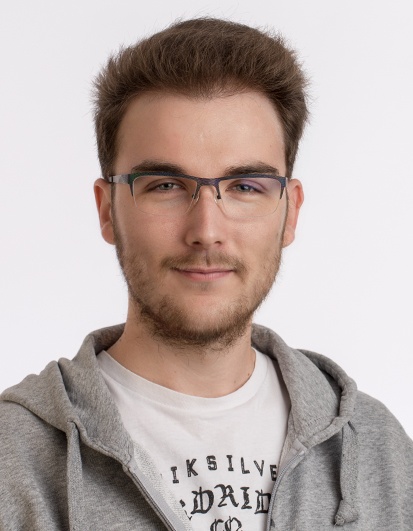 Associate professor - Université de Tours- BBV
- Project : WP5 (co-leader) "Development of yeast cell factories for natural and new-ti nature MIA dimer bioproduction" and WP3" Prioritization of candidate genes for the enzymatic machinery involved in MIA dimer biosynthesis"
- Project description : After successful prioritization and functionnal characterization of candidates genes involved in MIA dimerization, the ultimate goal will be to develop yesat cell factories producing high-value MIA dimers on demand. To achieve this, functionnaly validated genes will be expressed in the yeat model S. cerevisiae and multiple biosynthetic pathways will be establushed using the CRISPR/Cas9 system. Bioconversion assays will be performed using a non limiting amount of MIA precursor, and the resulting dimerization products will be analyzed by LC-MS/MS.
PIERRE LE POGAM-ALLUARD
 Associate professor- Université Paris Saclay- BioCIS
- Project : WP1 - Deep metabolome annotation and spatial organization of MIA dimers
- Project description : Our objective es to reach a deep insight into the MIA content of Apocynaceae species, with specific emphasic on dimeric/oligomeric entities leveraging chemical assembly logic, advanced annotation and structure elucidation tools. Furthermore, we will deliver multidimensional metabolomics data for MIAs (HCD-MS/MS, CCS) in addition to the spatial allocation of the different chemical entities.
CELINE MELIN
 Research Engineer assistant - Université de Tours- BBV
- Project : Validation of biosynthetic genes and bioengineering
- Project description : I will work on the validation of the candidate genes by expressing them in yeast and on the yeast culture and its improvement.
MICKAEL DURAND
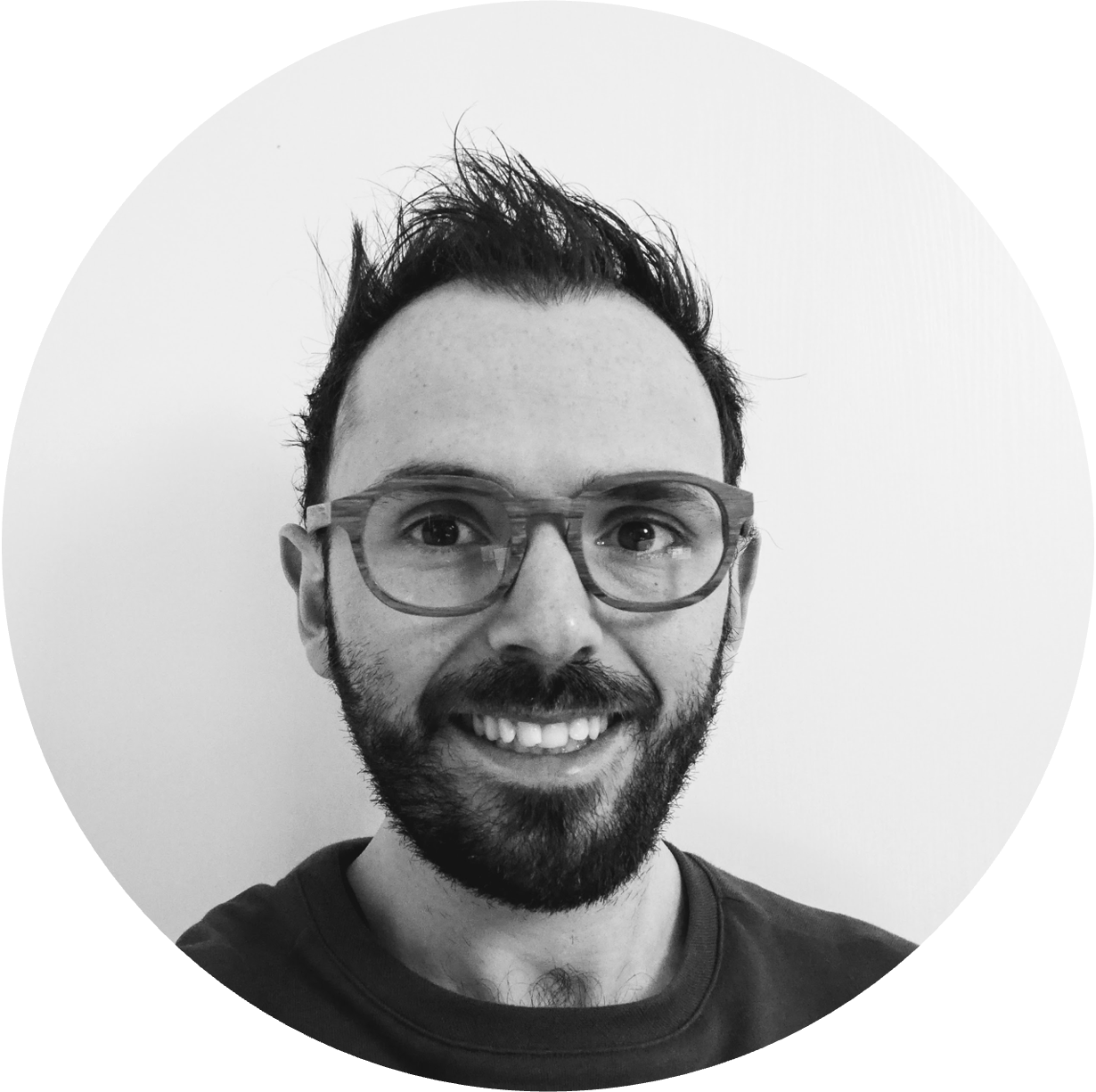 Associate Professor- Université de Tours- BBV
- Project : WP3 (co-leader) : Priorization of candidate genes for the enzymatic machinery involved in MIA dimer biosynthesis
- Project description : Our research focuses on uncovering the missing steps of the MIA dimerization biosynthetic pathway in medicnal plants. Candidate genes are identified from plant sequence data based on pathway predictions and are functionally validated in yeast and plants. This involves transcriptomic, metabolomic and bioengineering strategies.
AUDREY OUDIN
 Associate professor- Université de Tours- BBV
- Project : Dissemination manager / WP4 : Functional characterization of candidate genes for MIA synthesis and dimerization
- Project description : I will functionally characterize candidate genes through heterologous expression and conduct in vivo/in vitro enzymatic assays. My goal is to identify the most efficient enzymes for MIA dimer biosynthesis to support yeast cell factory reconstruction
DUCHESSE ZAMAR
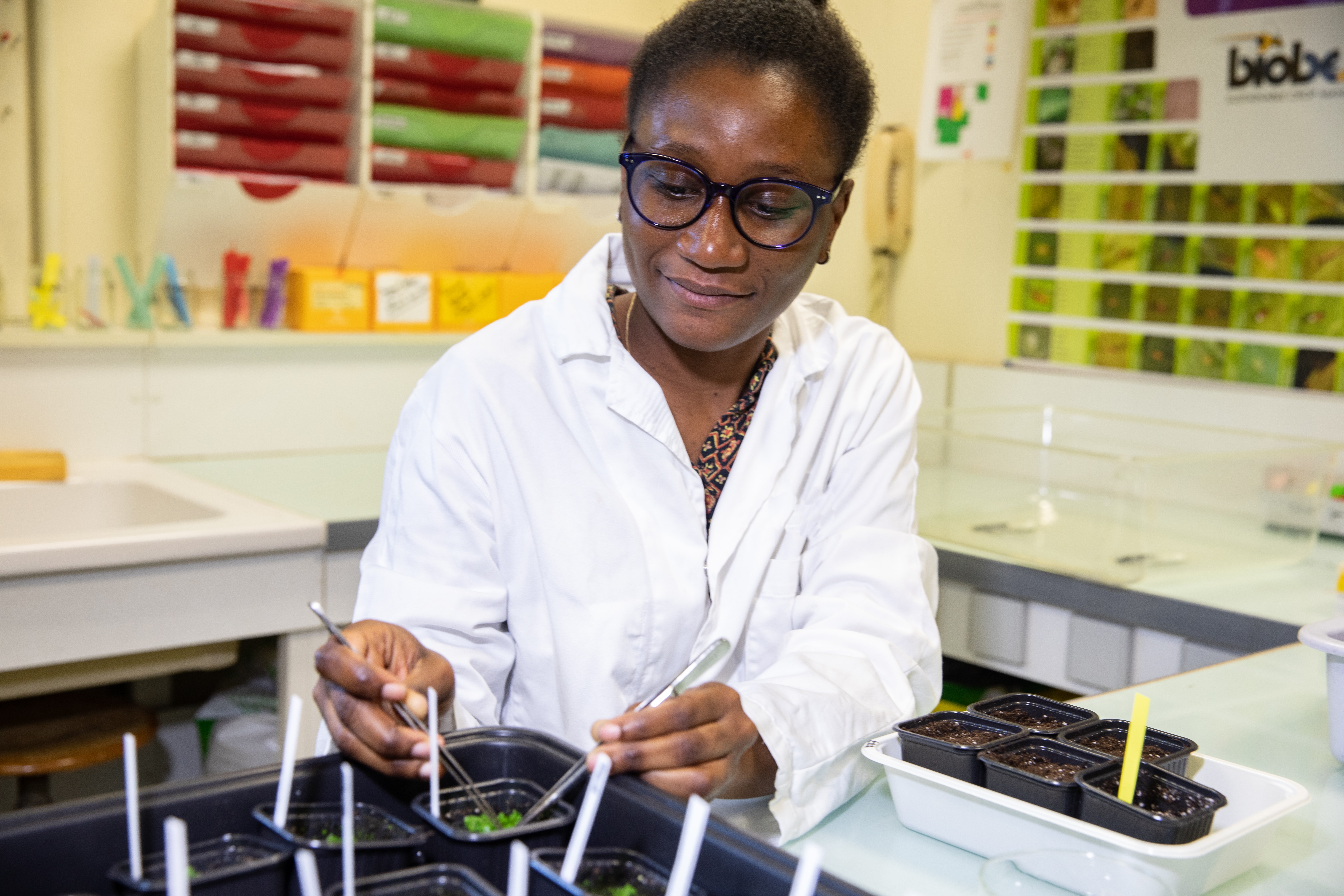 Postdoctoral researcher- Université de Tours- BBV
- Project :
- Project description :
DAVID BRELU-BRELU
 PhD student- Université de Tours- BBV
- Project : Identification and functional validation of enzymes involved in steps in MIA pathways
- Project description : I will test and validate the different candidate enzymes involved in the missing steps of MIA dimerization. This will require molecular biology technics, heterologous expression as well as biochemical assays. Taken together, these approaches will help us better understand the complex processes behind MIA dimerization.
MIADIM